Rubbish collection guide for Lordship Lane Dulwich
Posted on 19/06/2026

If you live or work near Lordship Lane, you already know that waste can pile up fast. One awkward sofa, a few bags from a clear-out, some garden cuttings, and suddenly the hallway feels smaller than it should. This Rubbish collection guide for Lordship Lane Dulwich is here to make the process simpler, safer, and a lot less stressful. Whether you are dealing with household junk, office clutter, or post-renovation debris, the goal is the same: get it removed properly, without chaos, hidden costs, or unnecessary faff.
Lordship Lane has its own rhythm. Busy pavements, tight parking spots, period homes, flats above shops, and mixed-use properties all shape how rubbish collection actually works in practice. So this is not a generic "put it outside and hope for the best" article. It is a practical local guide that covers how rubbish collection usually works, what to prepare, what to avoid, and when it makes sense to use a professional service. If you want a broader look at service options, you can also browse the services overview or read more about waste collection in Dulwich.
Let's get into the useful stuff.
Why Rubbish collection guide for Lordship Lane Dulwich Matters
Lordship Lane is one of those roads where everyday life and practical logistics collide. You have homes, cafes, independent shops, offices, and frequent foot traffic all in the same stretch. That means waste is not just a private inconvenience; it can quickly become a visibility issue, a hygiene issue, or a neighbour issue.
A good rubbish collection plan matters for a few reasons. First, it keeps your space usable. Second, it reduces the risk of missed pickups, overspill, and bad smells. Third, it helps you avoid the kind of last-minute panic that happens when bags are stacked by the door on a wet evening and you realise collection day is not until tomorrow. We have all seen that scene. It is never elegant.
It also matters because different waste types need different handling. A few black bags are one thing. A broken wardrobe, paint tins, builder's rubble, or old business stock is another thing entirely. If you get the sorting wrong, you can waste time, money, and effort. And in some cases, you may need proof that the waste was taken by a legitimate carrier. More on that later.
For people who are buying, renting, renovating, or investing locally, clean and reliable waste management is part of the bigger picture. If you are thinking about property changes or upgrades nearby, related reading like Dulwich house buying strategies and real estate investment in Dulwich can be surprisingly relevant, because a tidy, usable property tends to be easier to manage and present well.
Expert summary: The best rubbish collection approach on Lordship Lane is usually the one that matches your waste type, access constraints, timing, and budget. In other words, the "best" option is rarely the same for everyone.
How Rubbish collection guide for Lordship Lane Dulwich Works
At a practical level, rubbish collection is a simple chain of events: identify the waste, prepare it, arrange removal, and make sure it is handled correctly after collection. But the details matter, especially in a busy local area.
1) You identify the type of waste
Start by separating what you actually have. Household rubbish, bulky furniture, garden waste, office clutter, and construction debris should not all be treated the same. A quick sort at this stage saves a lot of guesswork later.
Ask yourself:
- Is it general household waste?
- Is it bulky or heavy, like furniture?
- Is it organic, like garden waste?
- Is it from a refurb or building project?
- Could any items be reused, donated, or recycled?
2) You prepare access and storage
On Lordship Lane, access can be the real issue. Some properties have narrow hallways, limited front access, shared entrances, or no immediate parking outside. That means the collection team may need clear instructions in advance. A little prep goes a long way.
Move items to one place if possible, but do not block exits or create a trip hazard. If the waste is outside, keep it dry if you can. Wet cardboard is a nuisance to handle and can change how material is processed. Not the end of the world, just annoying.
3) You choose the right collection method
This might be a skip, a man-and-van style collection, a dedicated waste removal team, or a specific service for furniture, garden waste, office clearance, or builders' debris. Each has different strengths. If you are uncertain, a general service page such as waste collection in Dulwich is a sensible place to understand the broader options before deciding.
4) The waste is loaded and removed
On the day, the team should load the waste efficiently, keep disruption low, and remove items safely. In a street like Lordship Lane, timing and communication matter. You do not want waste lingering on the pavement any longer than necessary, especially where customers, neighbours, or delivery traffic are passing through.
5) Sorting, recycling, and disposal happen off-site
Once collected, the waste should be taken to an appropriate facility or transfer point. Good operators separate recyclable material where possible and dispose of residual waste responsibly. If sustainability is important to you, it is worth reading about recycling and sustainability so you can see how that side of the process is handled.
Key Benefits and Practical Advantages
The biggest benefit of organised rubbish collection is obvious: you get your space back. But there are several less obvious advantages that are easy to miss until you are in the middle of a clear-out.
- Less stress: A planned collection is calmer than a last-minute scramble.
- Better safety: Heavy items and sharp edges are handled with care, not dragged down stairs by one tired person.
- Cleaner surroundings: No lingering bags, no accidental spills, no overpacked bins.
- Time saved: You avoid multiple trips to a disposal site or local recycling point.
- More predictable costs: A clear quote is easier to work with than a pile of unknown disposal expenses.
- Improved recycling outcomes: Proper sorting gives recyclable items a better chance of being diverted from general waste.
There is also a confidence factor. Once the rubbish is gone, the rest of the project feels easier. A cleared room makes decorating simpler. A cleared shop back room makes stock control easier. A cleared office, well, it helps everyone breathe a bit more.
That practical lift is why many people choose collection support during spring cleaning, after a tenant move-out, or before a property goes on the market. If that sounds familiar, you may also find spring cleaning decluttering tips useful.
Who This Is For and When It Makes Sense
This guide is useful for a few different types of people, and the reason is simple: rubbish problems look different depending on the property and the workload.
Homeowners
If you are clearing out a spare room, replacing old furniture, or dealing with post-renovation mess, organised collection can save you a whole weekend. It is especially helpful when bulky items will not fit in a regular bin collection and you do not fancy loading a borrowed car with a broken chest of drawers. Understandably.
Landlords and letting agents
End-of-tenancy clearances often involve a bit of everything: black bags, abandoned furniture, old appliances, and random odds and ends left behind in cupboards. A structured collection helps turn around the property faster.
Local businesses
Shops, cafes, studios, and offices along Lordship Lane may need recurring or one-off collection support. Back rooms fill up quickly, especially when packaging, old fittings, and broken stock are involved. If your workplace needs a more office-focused approach, it may help to review preparing your business for office rubbish removal and office clearance in Dulwich.
People doing renovations or DIY
Builders' waste is a category of its own. Plasterboard, timber offcuts, tiles, packaging, old fixtures, and demolition debris add up fast. For that kind of job, standard household disposal is usually not enough. A dedicated route like builders waste disposal in Dulwich is far more suitable.
Anyone who wants a simpler life for a day
Honestly, some people just reach the point where they want it all gone, and fairly. There is no shame in that. If the pile is getting on your nerves every time you walk past it, it is probably time.
Step-by-Step Guidance
Here is a practical way to handle rubbish collection on or around Lordship Lane without overcomplicating it.
- Walk through the property and list the waste. Separate general rubbish, bulky items, garden waste, and any material that may need special handling.
- Decide what can be reused or recycled. Some things can be passed on, repaired, or sorted into recyclable streams before collection.
- Take photos if the job is sizeable. Clear pictures help with quoting and avoid misunderstanding later.
- Check access details. Note parking restrictions, stairs, lift access, gate codes, and any awkward corners.
- Choose the right collection option. Compare what is simplest for your volume, access, and timeline.
- Ask what is included. Clarify labour, loading, disposal, and whether heavy lifting or multiple trips are part of the price.
- Prepare the items. Break down where you can, group similar waste together, and keep anything you want to retain well away from the pile.
- Be ready on the day. If the crew arrives and half the items are still tucked in a back room, the process slows down. Minor nightmare, that.
- Confirm completion and paperwork. For business waste or larger jobs, ask what documentation is provided.
If you like planning things properly, the article how to prepare for rubbish removal is a useful companion piece.
Expert Tips for Better Results
A few small choices can make the whole process smoother. In our experience, the jobs that go best are rarely the flashiest ones. They are the ones where someone has thought ahead by ten minutes.
- Separate heavy items early. You do not want loose, mixed piles when it comes to loading.
- Keep wet and dry waste apart where possible. It helps with handling and recycling.
- Take apart furniture only if it helps access. Not everything needs dismantling. Sometimes it just creates more loose screws on the floor.
- Measure bulky items against doorways and stairwells. Old wardrobes have a funny way of becoming five times larger once they meet a landing.
- Book before deadlines. If you need the space cleared before a delivery, tenant move-in, or event, leave a cushion of time.
- Keep neighbours in mind. Noise, parking, and blocked access can be the real friction points on a busy street.
- Ask about recycling priorities. It is better to know what happens to the waste than assume it is all sorted magically at the back end.
If you are deciding between doing it yourself or bringing in help, DIY rubbish removal versus hiring pros gives a fair comparison. Truth be told, the answer depends on how much lifting you want to do on a Tuesday afternoon.
Common Mistakes to Avoid
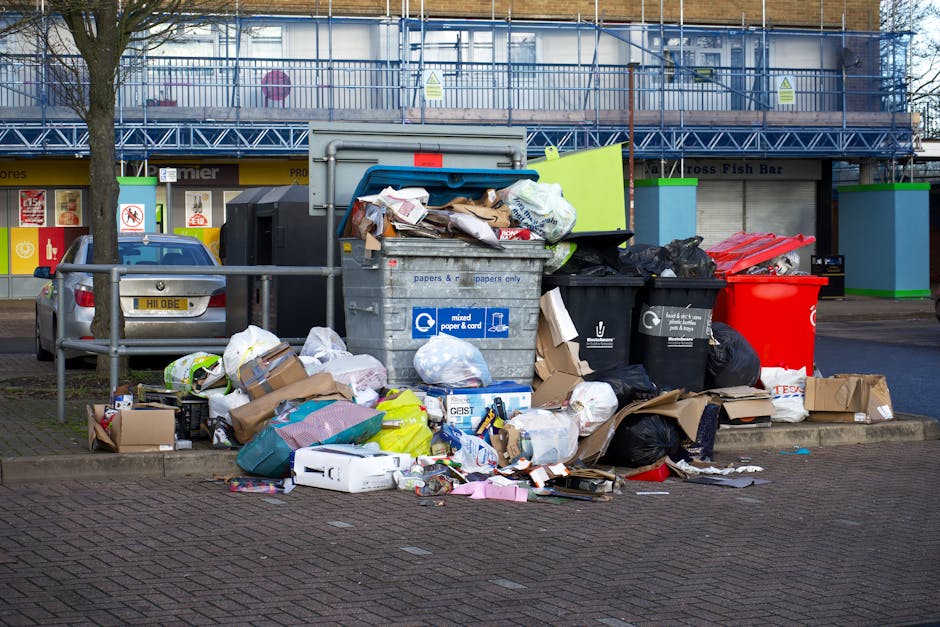
There are a few mistakes that come up again and again. Some are minor. Some are expensive. A couple can become annoying very quickly.
Mixing waste types together
Putting everything in one pile might feel efficient, but it can slow down sorting and make disposal less straightforward. Keep recyclables, furniture, garden waste, and general rubbish separate if possible.
Ignoring access issues
Lordship Lane properties can have awkward access, limited frontage, or shared entrances. If you forget to mention that, the collection team may arrive prepared for one scenario and find another. That can delay the job.
Forgetting what cannot be collected
Some items require special handling, and not every service takes every material. If you are unsure, ask before the day of collection. It is far easier than discovering a problem once the team is already there.
Underestimating the volume
A room full of "just a few bits" becomes a van full of material very quickly. Be honest with yourself about the size of the pile. The sofa is bigger than it looks, every time.
Not checking credentials or paperwork
For larger jobs or business waste, make sure you understand what documentation is provided and who is responsible for disposal. A reputable provider should be clear and transparent about this.
You may also want to read 10 common rubbish disposal mistakes professionals avoid if you want the fuller picture.
Tools, Resources and Recommendations
You do not need a warehouse of equipment to prepare for a collection, but a few basic tools help a lot.
- Sturdy bin bags or rubble sacks: Better for heavy waste than thin bags that split halfway down the stairs.
- Marker pen: Handy for labelling items to keep, recycle, or remove.
- Gloves: Especially useful for garden waste, old fixtures, or dusty loft items.
- Tape measure: Helpful for bulky furniture and access planning.
- Phone camera: Good for documenting the load and confirming the items before collection.
- Basic screwdriver or hex key: Sometimes enough to break down furniture without turning it into a full Saturday project.
In terms of service planning, these pages can help you think through the job from different angles: pricing and quotes, insurance and safety, and about us. If you are comparing waste management approaches, you may also like eco-friendly rubbish disposal solutions.
If the job is tied to a move, sale, or bigger property change, it can also be worth pairing waste planning with neighbourhood context from the charms of Dulwich and Dulwich living pros and cons. That broader view helps when you are planning not just a collection, but a smoother property transition.
Law, Compliance, Standards, or Best Practice
Waste collection is not only about moving things from one place to another. In the UK, there are normal expectations around responsible handling, and it is wise to treat them seriously even for a relatively small job.
As a general best practice, rubbish should be transferred to a legitimate carrier who can explain how waste is handled. Businesses should be especially careful about keeping records and understanding their duties around waste transfer. For householders, the key point is simpler: do not hand waste to someone who cannot clearly explain where it is going.
There is also a safety angle. Heavy lifting, broken glass, sharp metal, old paint, and awkward furniture all create risk. Good practice means using proper lifting techniques, wearing suitable protective gear, and not trying to drag impossible items down stairs just because you are determined to do it yourself. Determined, yes. Sensible, not always.
When comparing providers or methods, a useful guide is the one on essential rubbish removal licences and legal compliance. It is written in plain English and helps you understand what to look for without getting buried in jargon.
Best practice also includes respecting local surroundings. On a road like Lordship Lane, that means keeping pavements clear, avoiding unnecessary noise, and reducing the time waste sits outside. Small things, but they matter.
Options, Methods, or Comparison Table
If you are deciding how to handle a collection, it helps to compare the usual methods side by side.
| Method | Best for | Strengths | Limitations |
|---|---|---|---|
| DIY disposal | Very small loads | Flexible, low upfront cost | Time-consuming, physically demanding, can involve multiple trips |
| Skip hire | Projects with steady waste volume | Useful for ongoing work, good for builders' debris | Needs space, may require permits, waste must be loaded yourself |
| Man-and-van collection | Bulky items and mixed loads | Fast, less lifting for you, simple for one-off clear-outs | Pricing depends on volume and access, not always ideal for very large projects |
| Specialist clearance service | House clearances, offices, furniture, builders' waste | More tailored, often easier for awkward jobs | May cost more than DIY, but usually saves time and hassle |
For many Lordship Lane jobs, the most practical choice is a collection service that can handle access issues and mixed waste without turning the day into a logistics puzzle. For furniture-heavy jobs, look at furniture disposal in Dulwich. For domestic moves or inherited properties, house clearance in Dulwich is often a better fit. If it is outside, garden waste removal in Dulwich can be the neatest option.
Case Study or Real-World Example
Imagine a small shop near Lordship Lane that is refreshing its back room after a stock rotation. There are broken display fixtures, cardboard, a few old chairs, and a pile of packaging that has been building for weeks. Nothing dramatic, just enough to make the room feel crowded and awkward.
The owner starts by grouping items into simple categories: reusable, recyclable, and waste. They measure the bulky pieces so there are no surprises with the exit route. They also note that access is tight after midday because of foot traffic and deliveries, so they choose an early collection slot.
On the day, the clutter is moved in one clear run rather than five awkward carries. The back room is emptied, floor space is restored, and staff can get to stock without stepping around boxes. It sounds small, but the difference is immediate. The whole place feels lighter. You can hear it too, strangely enough. Less clatter, less scraping, less background tension.
This is the sort of result that makes a good rubbish collection plan worth the effort. Not glamorous. Just quietly effective.
Practical Checklist
Use this checklist before your collection day. It keeps things tidy and avoids silly surprises.
- Sort waste into clear categories
- Separate items you want to keep
- Check for bulky items or sharp materials
- Measure anything large enough to cause access problems
- Confirm parking, stairs, and entrance details
- Take photos if the load is substantial
- Ask what is included in the collection
- Set aside the waste in one clear area
- Make sure children and pets are away from the work area
- Confirm whether any paperwork is needed afterwards
- Leave a bit of time buffer if the collection is linked to a move, delivery, or refurbishment
For business owners, it is also sensible to review office rubbish removal preparation before booking. A little planning now saves a lot of back-and-forth later.
Get a free quote today and see how much you can save.
Conclusion
A reliable rubbish collection plan for Lordship Lane Dulwich is really about three things: clarity, timing, and the right method for the job. Once you know what you have, how it needs to be handled, and what access looks like, the rest becomes much easier. That is true whether you are clearing one awkward item or several rooms' worth of clutter.
Most problems come from rushing, guessing, or leaving details until the last minute. A better approach is simple: sort first, confirm access, choose the right collection method, and keep disposal responsible. Nothing fancy. Just good practical housekeeping, which tends to pay off.
And if you are planning a larger tidy-up, property refresh, or business clearance, this is a good moment to think beyond the waste itself. A cleaner space often leads to better decisions, less friction, and a calmer day overall. Not bad for a pile of rubbish, really.
 Tipper Van - Waste Collection and House Waste Disposal Prices in Dulwich, SE21
 Luton Van - Waste Collection and House Waste Disposal Prices in Dulwich, SE21


